
Branding Trends 2026
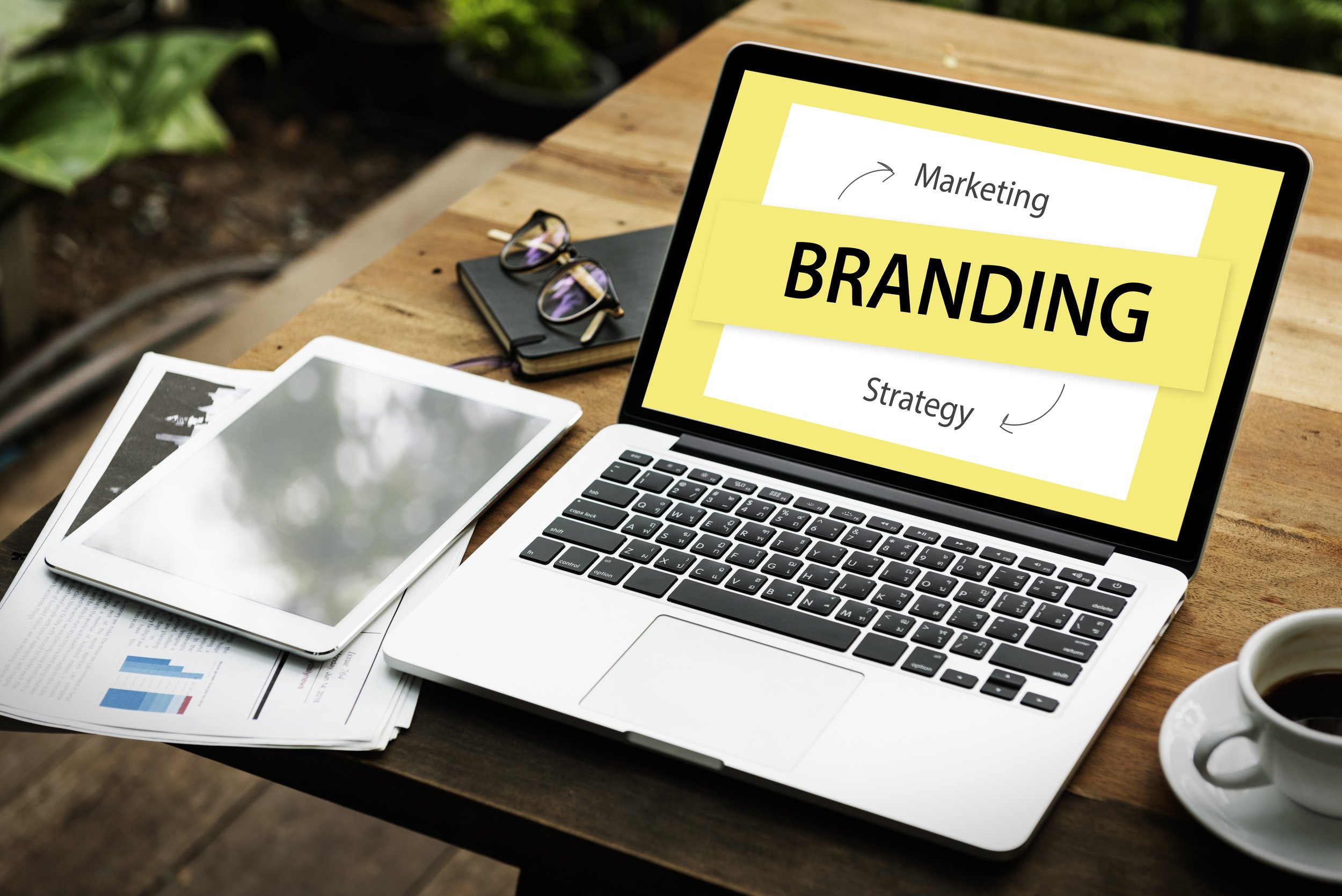
In 2026, branding has transcended visual identity. We have entered the era of Agentic Branding, where a brand is no longer just a logo or a voice—it is a living, breathing intelligence that interacts with the world in real-time.
As AI handles the "commodity" side of marketing, the value of raw, unfiltered creativity has skyrocketed. Here is the landscape of branding in 2026 and how to navigate it.
1. The Rise of Agentic Branding
In 2026, brands are deploying Autonomous Brand Agents. These aren't simple chatbots; they are AI entities trained on a company’s entire history, values, and "vibe."
Real-time Evolution: Your brand identity is no longer static. AI agents adjust messaging, tone, and even visual elements based on the real-time sentiment of the community they are interacting with.
The "Vibe" Economy: Because AI can replicate styles perfectly, "brand" has shifted from how you look to how you behave. Reliability, ethics, and responsiveness are the new design elements. What is your brand’s vision and mission? How would it look like in the next 3-10 years?
2. The "Human Premium": Why Creativity is the New Luxury
As the internet becomes saturated with "perfectly optimized" AI content, consumers are developing a sixth sense for automation. This has led to the Human Premium—a trend where brands intentionally highlight human "imperfections," deep intuition, and high-concept storytelling.
Creative Renaissance: When AI can do "good" for free, "exceptional" becomes the only thing worth paying for. We are seeing a return to maximalist, experimental, and even "weird" creative directions that AI struggles to justify logically.
Soul-First Strategy: Brands are shifting away from data-driven boredom. The trend is toward "Gut-Feeling Marketing"—bold moves that don't necessarily show up in an LLM's predictive model but resonate deeply with human emotion.
3. GEO: Branding for the "Machine Audience"
Your brand now has two audiences: humans and the AI models that recommend you to humans. Generative Engine Optimization (GEO) is now a core pillar of brand identity.
Brand Sentiment for Machines: If an AI agent (like a personal shopping assistant) doesn't "understand" your brand's unique value proposition, you effectively don't exist in the 2026 marketplace.
Citation Branding: The goal is to ensure your brand's unique data and creative insights are the primary citations used by LLMs when they answer consumer queries.
The truth is, SEO still matters, especially for:
E-commerce and product brands
Local services using organic search
Long-form educational content
Businesses monetizing clicks.
But SEO alone no longer controls visibility. If you stop at rankings and ignore AI summaries and zero-click search, you miss large parts of modern search behavior.
Tips on SEO» https://www.brightdesignstudio.net/blog/seo-management-for-brand-reputation-a-comprehensive-guide?rq=seo
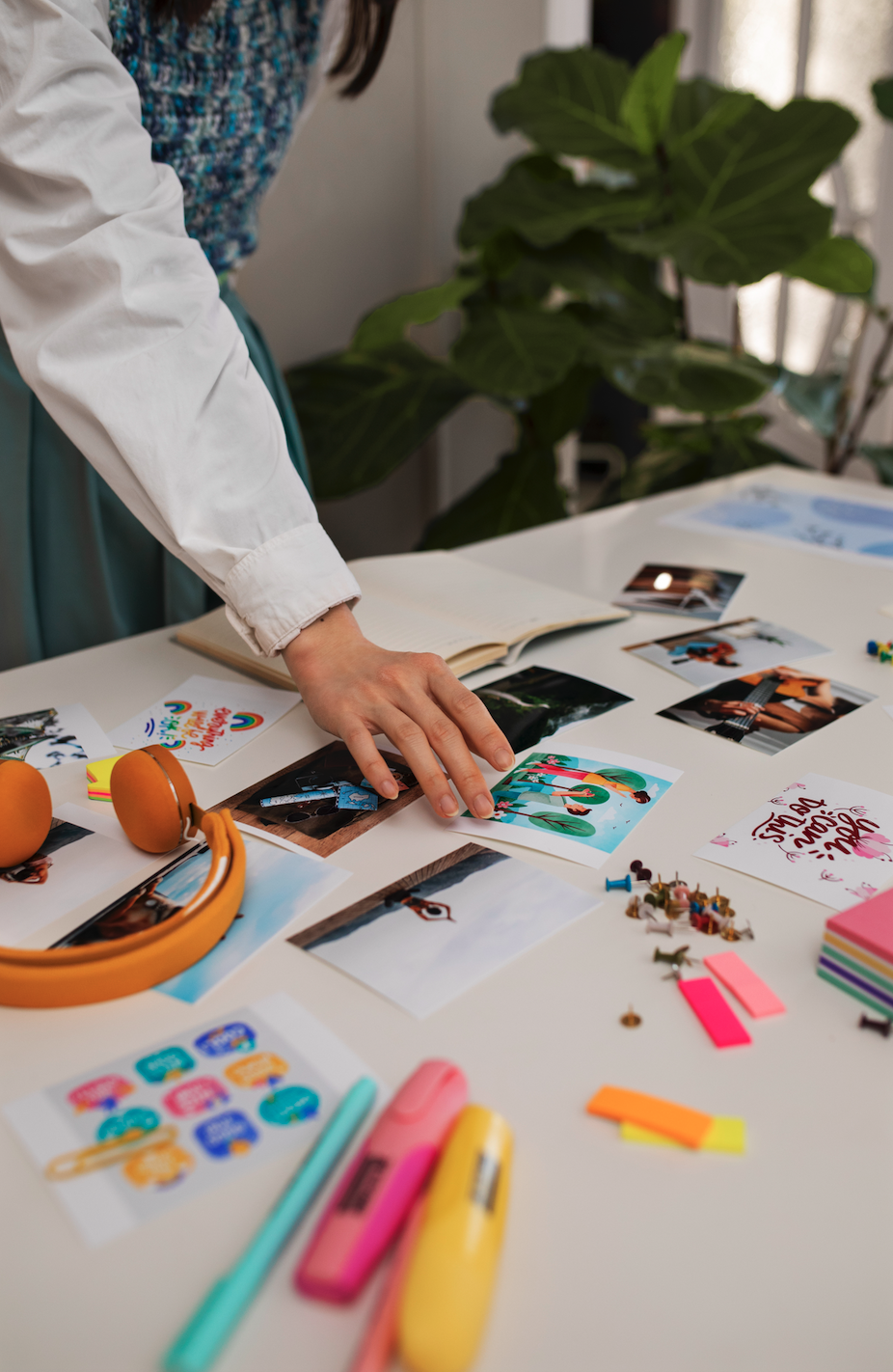
Make it stand out
List of Blogs you should follow on 2026
A/ The Strategy & Identity Guard (Critical for GEO & Planning)
These sites focus on the "why" behind branding. They are essential for understanding how to build a brand that is both human-resonant and "machine-readable" for AI agents.
Brand New (UnderConsideration): The gold standard for brand identity critique. Essential for seeing how major global brands are evolving their visual language for 2026.
Identity Designed: Focuses on the storytelling and strategic process. Great for learning how to document the "Human Premium" in your own case studies.
BrandingMag: A higher-level strategic resource that often covers the intersection of branding, technology, and consumer psychology.
HubSpot Blog (Marketing): Follow their "State of Marketing" series specifically for 2026. They are the leaders in tracking "Agentic AI" and how it changes the customer journey.
B/ The Visual & Culture Curators (Inspiration for the "Human Premium")
When AI creates the "average," these sites showcase the "exceptional." Use these to find the experimental, tactile, and "imperfect" trends.
It’s Nice That: The best source for cutting-edge creative culture. They highlight work that feels distinctly human and artistic—essential for fighting "AI-sameness."
Abduzeedo (ABDZ): A long-standing favorite for 3D, digital art, and design. They are currently leading the conversation on "Technical Mono" and "Code Brutalism" aesthetics.
Creative Boom: Excellent for discovering independent creators and trends in illustration and photography that lean into the "Nature Distilled" aesthetic.
Behance (Curated Galleries): Specifically follow the "Interaction" and "Graphic Design" curated galleries to see real-time 2026 trends like "Tactile Maximalism."
C/ The AI & Tech Innovation Hubs (For GEO & Next-Gen UX)
Since your strategy for Bright Design Studio involves Generative Engine Optimization (GEO), you need to follow technical design leaders.
Adobe Blog (Trends): Their annual trend reports (like the 2026 Digital Trends Report) are mandatory reading for understanding how Generative AI is being integrated into professional workflows.
UX Pilot: A specialized blog focusing on how AI is reshaping web design, focusing on adaptive interfaces and conversational-first branding.
The FWA: Follow this to see "Award-Winning" interactive projects. In 2026, the winners are almost all using AI-driven personalization and immersive 3D.
Closing Thought: The Studio for the New Era
There is no single "best" market to enter; what matters is the smartest strategy for entry. Success in 2026 depends on partnering with a team that bridges cutting-edge automation and genuinely human-centered service.
Bright Design Studio was built for this shift. We specialize in navigating the friction of entry into complex markets, ensuring your brand isn't just "set up," but strategically architected for the era of AI and the "Human Premium." We don't just help you be seen; we help you become actively sought after by both people and the algorithms that guide their choices. Write to us for a quote: hello123@brightdesignstudio.net
References: