
How SMEs Can Compete with Bigger Brands Through Design

Small and medium-sized enterprises often assume they cannot compete with major brands because they lack large marketing budgets, global recognition, or massive teams. But in today’s digital economy, design has become one of the most powerful equalizers.
Strong design is no longer just about aesthetics. It shapes trust, perception, customer experience, emotional connection, and purchasing decisions. A well-designed brand can appear more premium, more credible, and more memorable than competitors many times its size.
Across Asia — especially in China’s fast-moving consumer landscape — smaller brands are proving that thoughtful design strategy can outperform scale alone.
Brands like Wagas, Saigon Mama, and MUTE Garage demonstrate how SMEs can use branding, interiors, storytelling, and digital design to build loyal communities and stand out against larger competitors.
Design Creates Perceived Value
Consumers rarely evaluate businesses objectively. Instead, they respond emotionally to visual signals.
Before a customer tastes your food, uses your service, or speaks with your staff, they are already making judgments based on:
logo quality
packaging
website experience
photography
interior design
typography
color consistency
social media presentation
This is where SMEs can gain a major advantage.
Large corporations often move slowly. Their branding systems can become rigid, outdated, or disconnected from younger audiences. Smaller businesses, however, can create highly curated experiences that feel authentic, modern, and culturally relevant.
Good design allows a small company to look intentional rather than small.
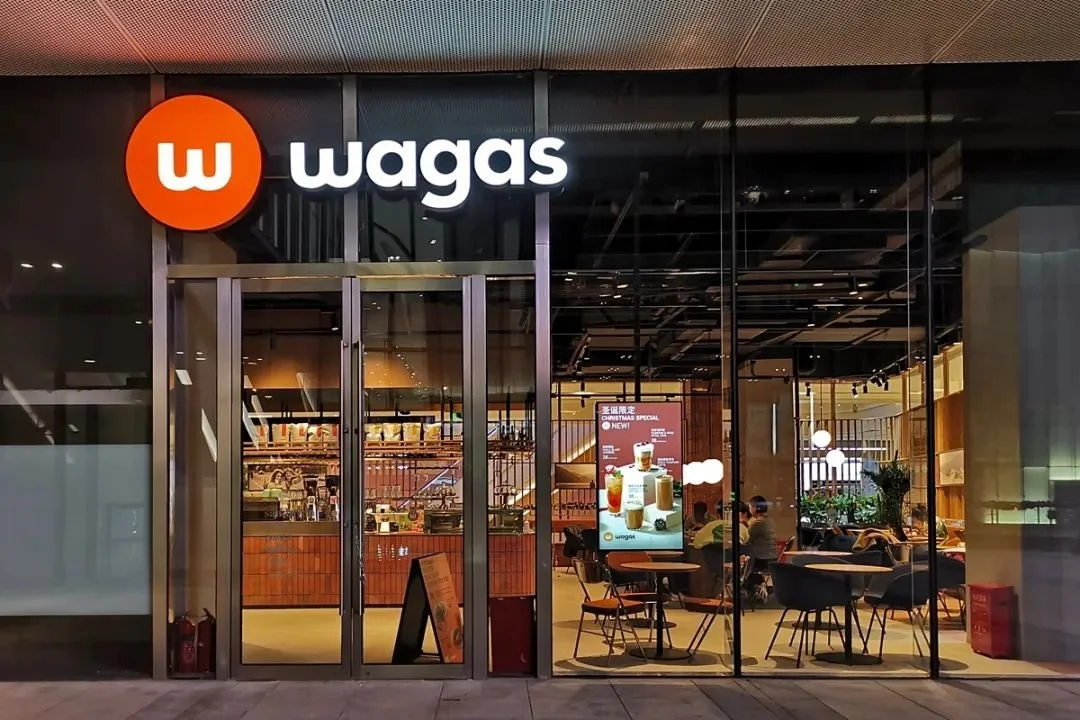
Wagas: Lifestyle Branding Beyond Food
Wagas is one of the strongest examples of design-led SME growth in China.
Originally launched as a casual restaurant concept in Shanghai, Wagas expanded by building an identity around wellness, urban lifestyle, and modern international culture. The company did not compete with global fast-food chains on size or advertising budgets. Instead, it focused on experience design.
Everything about the brand feels cohesive:
minimalist interiors
clean typography
healthy lifestyle imagery
modern packaging
warm lighting
approachable messaging
Wagas successfully positioned itself as more than a restaurant. It became part of the identity of young professionals and creative urban consumers in cities like Shanghai and Beijing.
The lesson for SMEs is important:
people do not only buy products — they buy belonging, aspiration, and lifestyle.
Strong design communicates those emotions instantly.

Saigon Mama: Cultural Identity as a Competitive Advantage
Saigon Mama demonstrates another powerful SME strategy: using design to transform cultural storytelling into brand differentiation.
Instead of appearing generic or overly commercial, Saigon Mama embraces visual identity rooted in Vietnamese culture while presenting it through a polished contemporary lens.
The result feels:
authentic
vibrant
youthful
social-media friendly
In highly competitive restaurant markets, many businesses offer similar products. Design becomes the deciding factor in memorability.Customers are far more likely to photograph, share, and revisit spaces that create a strong visual and emotional atmosphere.
For SMEs, this matters enormously because visually shareable environments generate organic marketing through user-generated content. In many cases, interior design now functions as social media strategy.
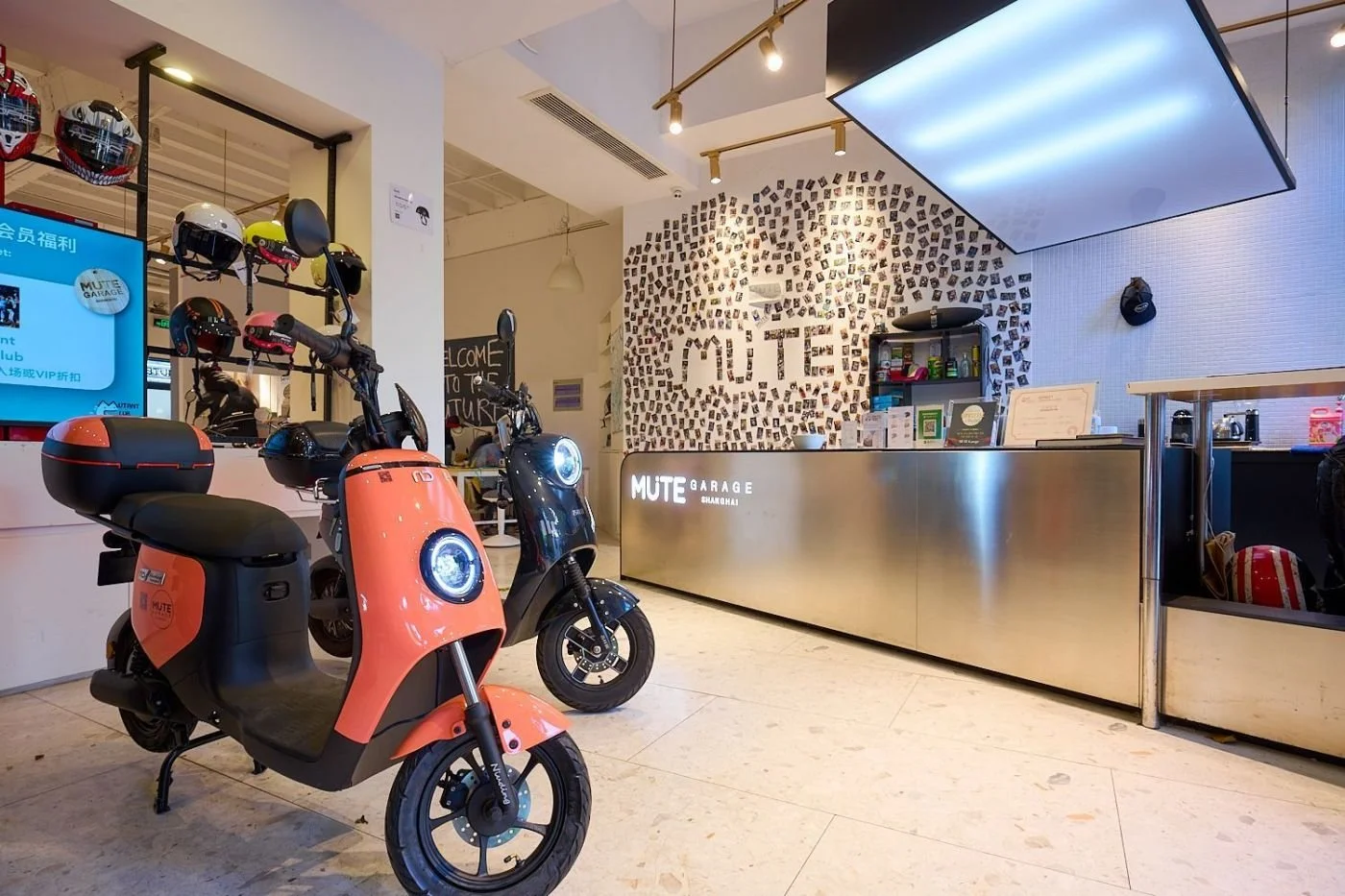
MUTE Garage: Niche Branding Builds Community
MUTE Garage shows how SMEs can dominate niche markets through strong visual positioning.
Rather than appealing to everyone, MUTE Garage built a distinct identity around automotive subculture, creativity, craftsmanship, and underground design aesthetics.
Its branding feels highly intentional:
industrial visuals
cinematic photography
minimalist graphic systems
strong merchandise design
lifestyle-oriented storytelling
This creates something many large corporations struggle to achieve:
community.
Modern consumers increasingly support brands that reflect their identity and values. SMEs can often connect more authentically because they are closer to their audience and more culturally agile.
Design helps translate that authenticity into a recognizable brand language.
SMEs Can Move Faster Than Large Corporations
One of the biggest hidden advantages SMEs possess is speed.
Large brands often require multiple approvals, layers of management, and lengthy implementation cycles. Small businesses can adapt quickly:
refreshing visual identity
responding to trends
redesigning packaging
updating digital experiences
testing new campaigns
This flexibility allows SMEs to stay visually relevant in fast-changing markets like China.
Design trends evolve rapidly. Brands that feel contemporary often gain attention simply because they appear culturally aware and current.
Agility itself becomes a competitive advantage.
Digital Design Is the New Storefront
In the past, physical retail location determined visibility. Today, digital presentation often matters more.
For many consumers, a company’s first impression happens through:
Instagram
Xiaohongshu
WeChat + Mini program
Douyin
websites
mobile search results
A poorly designed digital presence immediately reduces trust.
Meanwhile, SMEs with:
refined websites
strong social media branding
professional photography
consistent visual systems
can appear more premium than much larger competitors.
This is especially true among younger consumers who are highly design-sensitive and visually driven.
In China’s digital ecosystem, aesthetics strongly influence credibility.
Consistency Matters More Than Complexity
One of the most common misconceptions about branding is that expensive design automatically means complicated design.
In reality, consistency matters more.
Many successful SMEs win because they maintain:
clear typography
recognizable colors
cohesive photography
unified messaging
repeatable visual systems
Consistency creates familiarity, and familiarity builds trust.
A smaller brand with a focused, disciplined identity often appears more professional than a larger company with inconsistent communication.
This is why strategic branding matters far beyond logo creation.
Experience Design Builds Loyalty
Consumers remember experiences more than advertisements.
Design influences:
how customers feel inside a space
how intuitive a website feels
how packaging opens
how menus are structured
how products are photographed
how social content appears
These details shape emotional memory.
SMEs can often create more intimate and carefully considered customer experiences than global corporations because they remain closer to the operational and creative process.
Thoughtful design turns ordinary interactions into memorable ones.
Design Is an Investment, Not a Decoration
Many SMEs still treat design as a final cosmetic layer rather than a core business strategy.
But strong branding can directly influence:
pricing power
customer trust
conversion rates
social sharing
retention
investor perception
media visibility
Design affects business performance. Consumers are increasingly willing to pay premium prices for brands that feel intentional, aspirational, and emotionally engaging. In competitive markets, perception often becomes reality.
Final Thoughts
SMEs do not need to outspend large corporations to compete effectively. They need to communicate more clearly, connect more emotionally, and create stronger experiences. Brands like Wagas, Saigon Mama, and MUTE Garage show that strategic design can transform smaller companies into influential cultural brands.
In modern business, design is no longer optional. It is one of the most powerful tools SMEs have for building visibility, trust, differentiation, and long-term loyalty. The companies that understand this early are often the ones that grow beyond “small business” status entirely.
Hire us for your next brand strategy! Write to us: hello123@brightdesignstudio.net
References:
https://www.brandstrategysarah.com/blog/article%2Fbrand-strategy-for-smes-not-micro-businesses