
How Successful Brands Get Branding Right
imagery by unsplash
Lessons From China, Malaysia, and the United States. Many successful brands appear effortless from the outside. Their visuals feel polished, their stores feel intentional, and customers seem naturally drawn to them. But strong branding is rarely accidental.
Brands like Wagas, HEYTEA, Inside Scoop, and Apple succeed because they understand something many businesses overlook:
Great branding is not about decoration. It is about creating consistent emotional experiences.
The strongest brands carefully shape how people:
feel
interact
remember
connect
share
Here are some of the most important branding lessons businesses can learn from successful brands across China, Malaysia, and the United States.
1. They Sell a Lifestyle, Not Just a Product
One of the biggest branding mistakes SMEs make is focusing only on products and features. Strong brands focus on identity and lifestyle instead.
Example: Wagas (China)
Wagas does not market itself simply as a food chain.
It represents:
wellness
urban creativity
healthy modern living
aspirational city culture
Everything reinforces this:
bright interiors
natural lighting
minimalist packaging
clean typography
relaxed atmosphere
Customers emotionally associate the brand with a certain kind of life.
That emotional positioning is what creates loyalty.
Tip for SMEs
Ask: “What lifestyle or emotional identity does my brand represent?” People remember feelings more than features.
2. They Maintain Visual Consistency Everywhere
Strong branding depends heavily on consistency. The most recognizable brands maintain cohesive visual systems across:
websites
social media
packaging
interiors
menus
advertisements
photography

imagery by unsplash
Example: Apple (United States)
Apple is extremely disciplined visually. Its branding consistently communicates:
simplicity
sophistication
clarity
premium quality
Whether customers enter an Apple Store, visit the website, or open product packaging, the experience feels unified.
This repetition strengthens recognition and trust.
Tip for SMEs
Create clear brand guidelines including:
typography
color systems
photography style
tone of voice
logo spacing
layout consistency
Consistency makes brands appear larger and more professional.
3. They Design for Social Sharing
Modern branding is deeply connected to digital behavior.
Successful brands understand that consumers now market brands through:
Instagram
Xiaohongshu
TikTok
WeChat
user-generated content
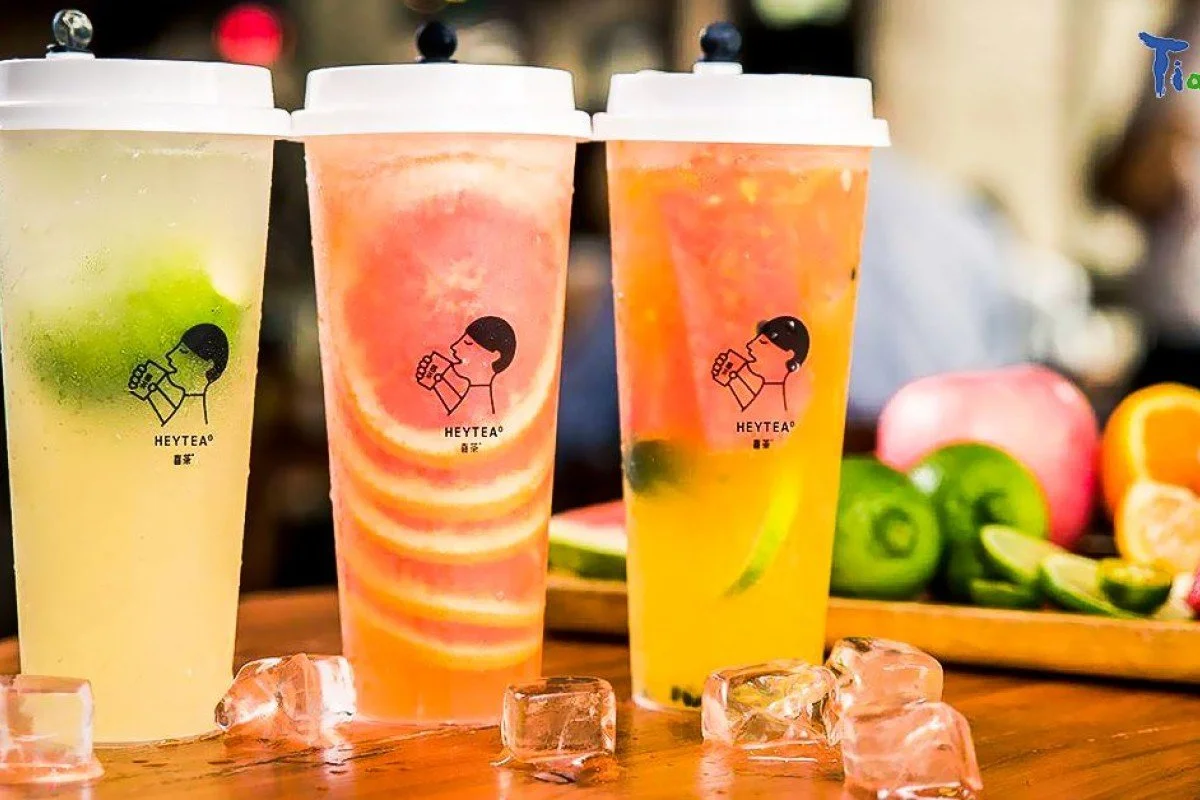
Example: HEYTEA (China)
HEYTEA became massively successful partly because it understood visual culture.
Its stores are designed to be:
photogenic
minimalist
modern
aesthetically curated
Packaging also feels premium and highly shareable online. Customers naturally photograph and post their experiences. This creates organic marketing at enormous scale.
Tip for SMEs
Ask: “Would someone naturally want to photograph or share this experience?” Designing for shareability can dramatically increase visibility without increasing advertising spend.
4. They Understand Local Culture Deeply
Strong branding feels culturally relevant. The best brands do not blindly copy global trends. They adapt branding to local emotional and cultural behavior.
Example: Inside Scoop (Malaysia)
Inside Scoop successfully combines:
local flavor storytelling
contemporary aesthetics
playful visual identity
Malaysian cultural familiarity
The brand feels modern without losing regional personality.
That balance creates authenticity.
Tip for SMEs
Localization matters.
Understand:
customer behavior
regional aesthetics
cultural references
communication style
emotional expectations
A brand that feels culturally aware builds trust faster.
5. They Focus on Experience Design
Branding extends far beyond logos. The strongest brands carefully design customer experiences.
This includes:
store flow
website navigation
packaging interaction
menu readability
customer service tone
lighting
sound
scent
digital usability
Example: Muji (Japan / Global)
MUJI built global loyalty through calm, intentional simplicity.
Everything about the brand experience feels:
uncluttered
peaceful
functional
emotionally calming
That consistency creates emotional memory.
Tip for SMEs
Think beyond visuals. Ask: “How should customers feel when interacting with my brand?” Emotionally intentional experiences build stronger loyalty.
6. They Keep Their Messaging Simple
Weak brands often overcomplicate communication. Strong brands communicate clearly and repeatedly.
Example: Nike (United States)
Nike consistently reinforces:
empowerment
movement
ambition
perseverance
Its messaging is emotionally direct and easy to understand. This clarity strengthens memorability.
Tip for SMEs
Avoid trying to communicate everything at once.
Focus on:
one core message
one emotional positioning
one clear identity
Simplicity creates stronger recognition.
7. They Invest in Photography and Visual Storytelling
Low-quality visuals immediately reduce perceived value. Successful brands treat photography as strategic branding.
Example: Saigon Mama (China)
Saigon Mama uses:
warm visual storytelling
atmospheric interiors
curated food presentation
modern Southeast Asian aesthetics
Its visual identity feels immersive and emotionally inviting.
This strengthens both physical and digital brand perception.
Tip for SMEs
Professional photography often creates higher ROI than businesses expect.
Strong visuals improve:
website conversions
social engagement
trust
premium perception
Poor visuals weaken even excellent businesses.
8. They Build Emotional Communities
The best brands create belonging. Customers increasingly support brands that reflect:
identity
values
aspirations
community
Example: MUTE Garage (China)
MUTE Garage successfully built community through niche branding and lifestyle storytelling.
Rather than appealing to everyone, the brand embraced:
underground automotive culture
craftsmanship
creative identity
subcultural aesthetics
This specificity creates passionate audiences.
Tip for SMEs
Do not fear niche positioning. Strong brands often grow because they resonate deeply with specific audiences first. Trying to appeal to everyone weakens emotional connection.
9. They Think Long-Term
Professional branding is not about chasing trends every month. Strong brands invest in systems that remain recognizable over time. They evolve carefully while maintaining core identity.
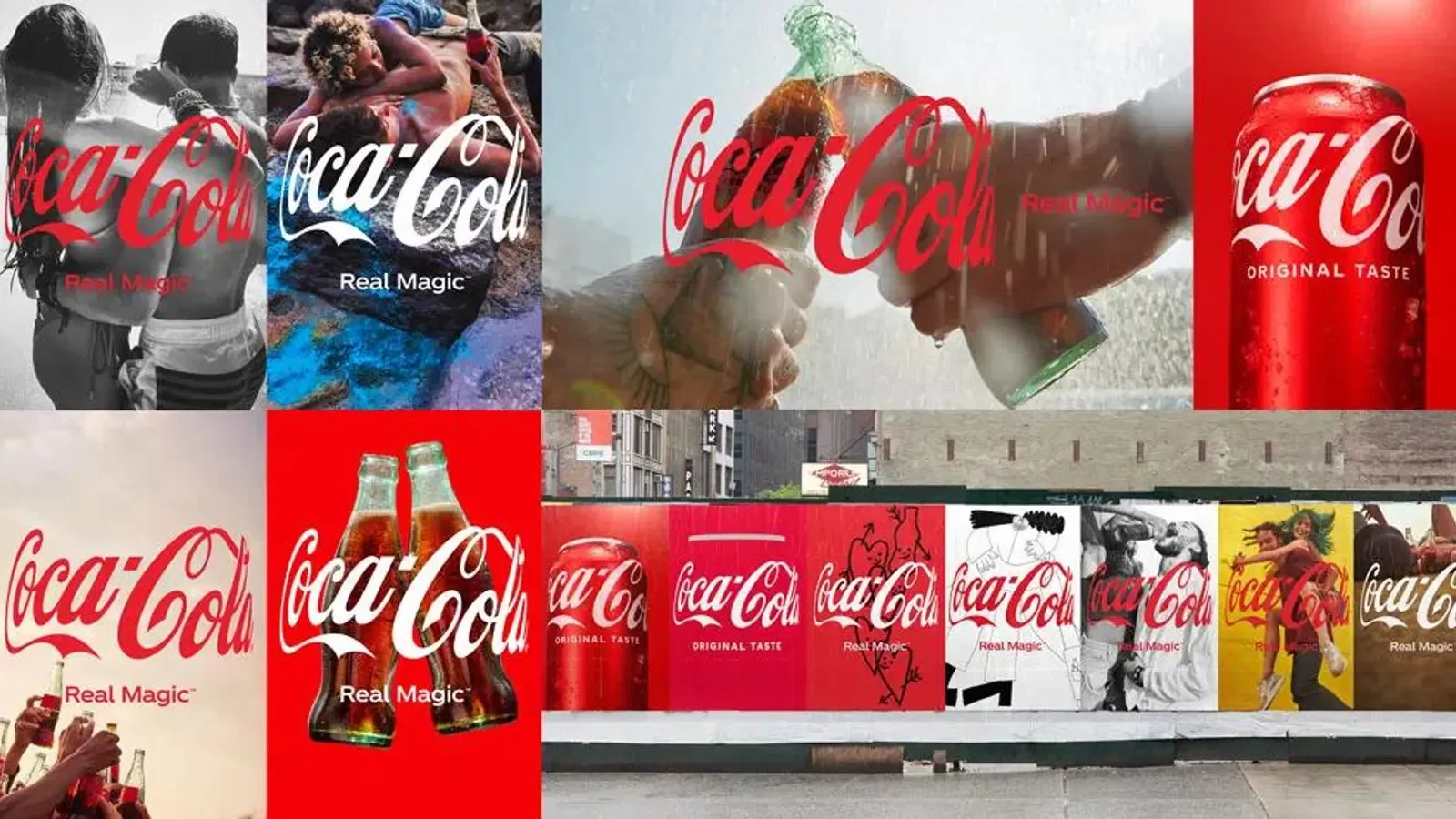
Example: Coca-Cola (United States)
The Coca-Cola Company has evolved visually for decades while maintaining:
recognizable typography
emotional familiarity
color consistency
brand memory
Long-term consistency builds enormous trust and recognition.
Tip for SMEs
Avoid constant random redesigns.
Instead:
refine gradually
strengthen consistency
build long-term recognition
Brand equity compounds over time.
Final Thoughts
Successful branding is rarely about having the biggest budget.
It is about:
emotional clarity
consistency
cultural understanding
experience design
visual storytelling
intentional positioning
Brands like Wagas, HEYTEA, Inside Scoop, Apple, and MUTE Garage succeed because every part of their brand experience feels deliberate.
For SMEs, this is encouraging. You do not need to outspend larger competitors to build a powerful brand. You need to create experiences that people emotionally remember, trust, and want to return to. In today’s market, thoughtful branding is no longer optional. It is one of the most valuable competitive advantages a business can build.
References:
https://www.investopedia.com/terms/b/brand.asp
https://zen.agency/why-branding-matters-how-a-strong-brand-drives-business-growth/
https://www.theceomagazine.com/business/marketing/successful-branding/